

Stuck in a Housing Market Rut? Why the Second Half of 2026 Could Finally Bring Relief
If the first half of this year left you feeling stuck, you’re definitely not alone. Mortgage rates stubbornly refused to budge, affordability remained razor-thin, and unexpected geopolitical pressures threw everyone a curveball.
It’s no wonder the big question on everyone's mind is: Will the second half of the year be any better for the housing market?
While no one possesses a crystal ball, several encouraging signs suggest the ice is finally starting to thaw. Here is what you need to watch as we head into the back half of 2026.
1. Mortgage Rates May Be Nearing a Turning Point
The biggest culprit behind high mortgage rates has been stubborn inflation, fueled partly by high energy prices and global uncertainty. The good news? Oil prices have already started to retreat.
While oil and real estate might seem unrelated, they share a tight historical bond.
The Energy Connection: Historically, mortgage rates and oil prices tend to move in tandem. Both spiked earlier this year when overseas conflicts intensified.
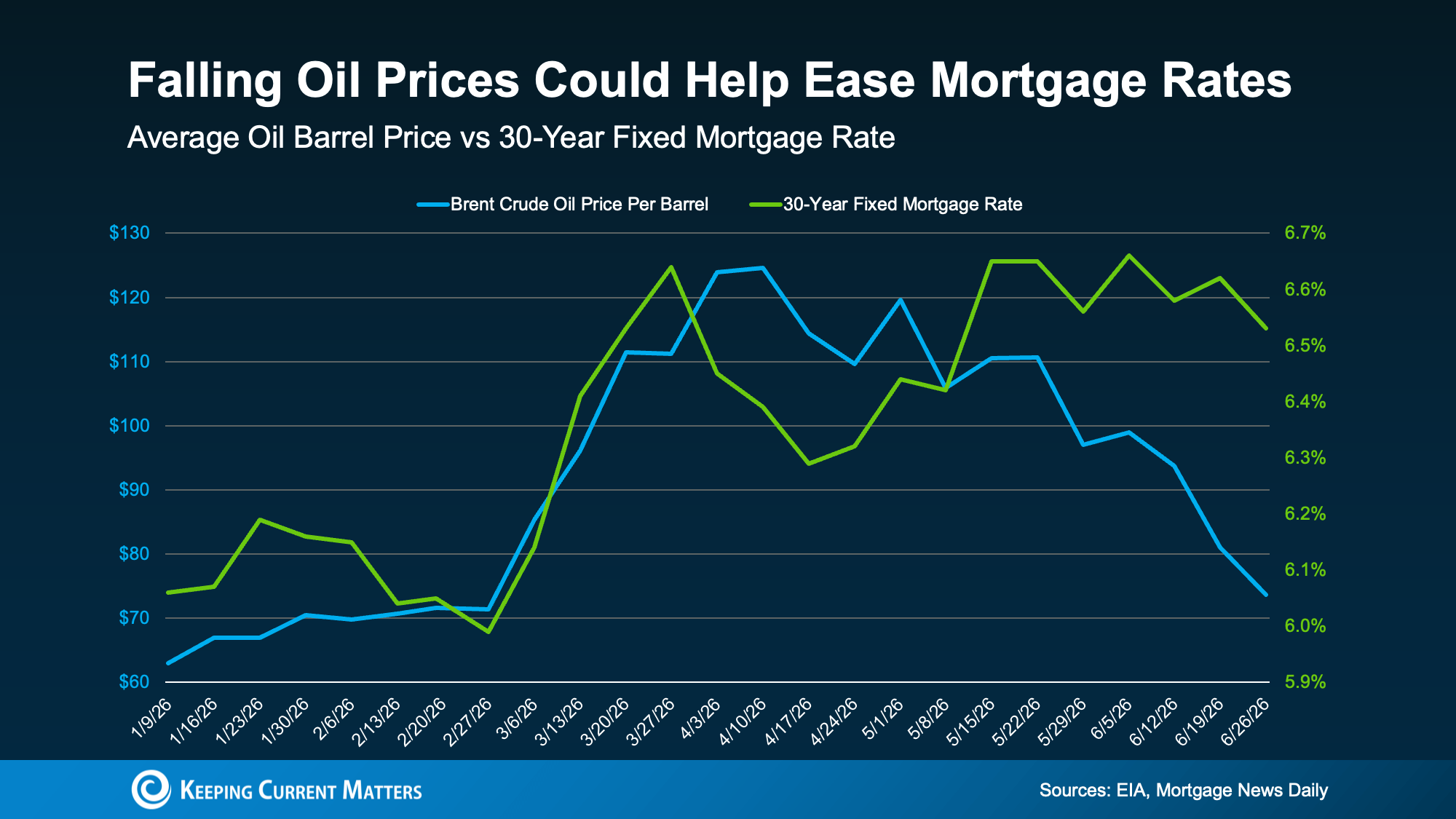
Now, experts at the U.S. Energy Information Administration (EIA) forecast a continued downward trend for oil. If energy prices keep cooling and global tensions ease, inflation should follow suit—giving mortgage rates the green light to finally drift downward in the coming months.
2. Home Prices are Projected to Pick Up Speed
Many hopeful buyers are crossing their fingers for a market crash, but the data tells a different story. While local markets vary—with some areas seeing minor dips—national real estate prices are projected to finish the year in the green.
In fact, consensus forecasts show national home prices rising by an average of 2.3% for the full year.
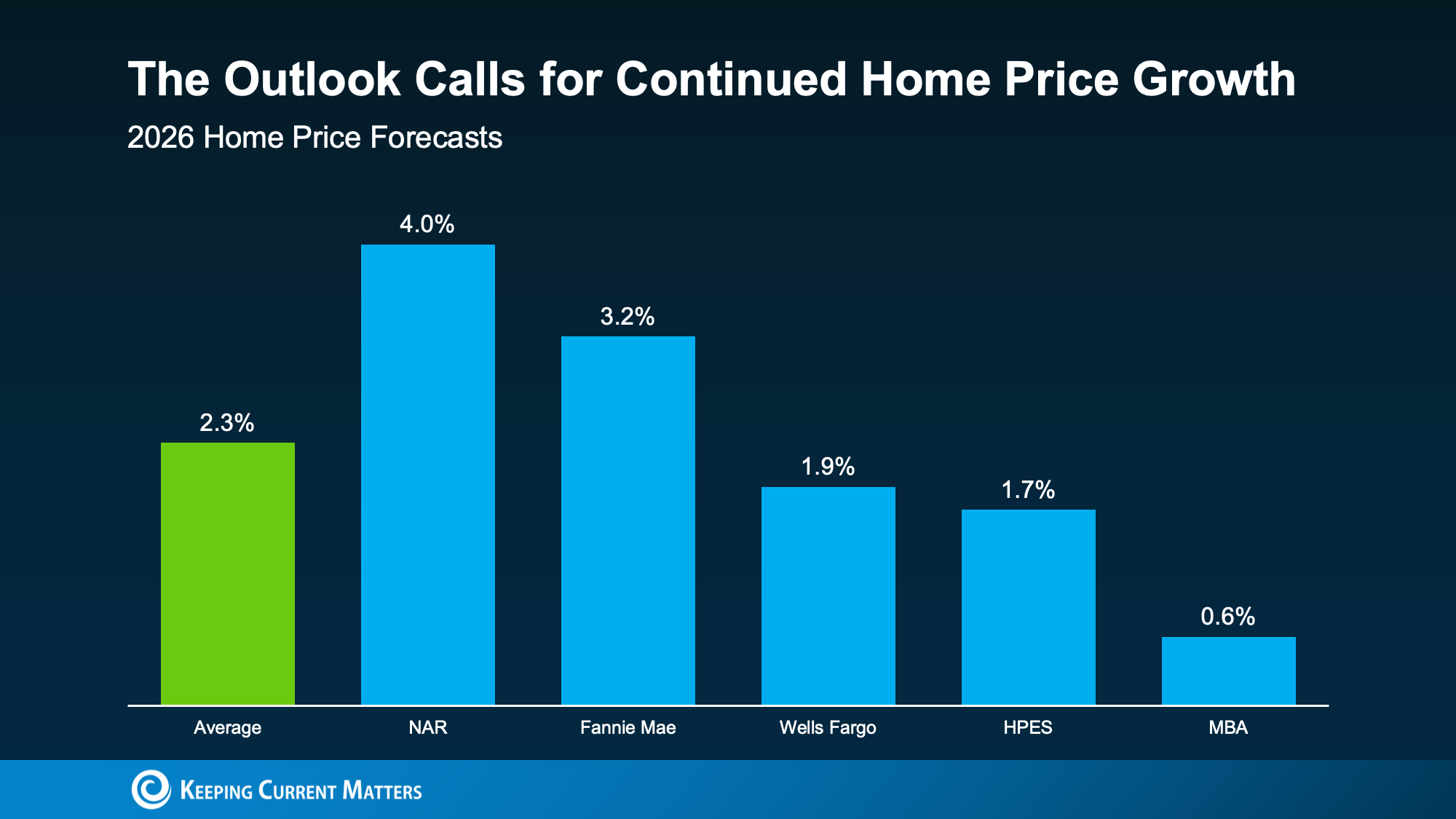
Why are prices expected to rise? Inventory growth is beginning to slow down. If mortgage rates drop even slightly, a wave of sidelined buyers will flood back into the market. This surge in demand against a limited supply will create modest upward pressure on prices.
For Buyers: Waiting out the market won't guarantee a lower price later.
For Sellers: Your home equity remains secure and is poised for steady growth.
3. A Surge in Home Sales is on the Horizon
If the market has felt quiet lately, you aren’t imagining it. Home sales started the year slower than anticipated. However, the desire to move hasn't vanished—it’s just been paused. Buyers and sellers have simply been waiting for better affordability and a clearer economic picture.
As Odeta Kushi, Deputy Chief Economist at First American, notes:
"Overall, we expect pent-up demand to continue emerging gradually. But the pace of recovery will vary significantly across markets and will depend on the path of rates, labor market conditions and inventory growth."
To hit the consensus forecasts for 2026, the second half of the year will have to significantly outperform the first. In fact, for the rest of the year, monthly sales will need to consistently match or beat May—the strongest month of the year so far. Experts are firmly betting on a late-year momentum swing.
The Bottom Line
The rest of 2026 won't be flawless, but it is shaping up to be noticeably better. We are looking at potentially easing mortgage rates, a healthier pace of home price growth, and a definitive pickup in market activity.
If you’ve been waiting for a sign to make your move, this is it.
Ready to navigate the changing market? Let’s connect to look at the data in your specific neighborhood so you can make your next move with confidence.
