

The Shift Is Real: Why Today’s Home Sellers Are Saying “Yes” to Concessions
Remember a few years ago when sellers held all the cards? You could say "no" to repairs, "no" to price drops, and "no" to pretty much any request. If buyers wanted the house, they had to play by your rules.
Times have changed.
With housing inventory rising, negotiations are officially back. If you want to sell your home quickly and for top dollar, the goal shouldn't be to "win" every single battle. Instead, it’s about making smart compromises to cross the finish line.
One of the most powerful tools in a seller's toolkit right now? Helping with the buyer's closing costs. Let’s break down exactly what this means and why it might be your ticket to a successful sale.
What Exactly Are Buyer Closing Costs?
Closing costs are the processing fees buyers must pay on top of their down payment to finalize the loan. According to Freddie Mac, these typically include:
Loan origination & lender fees
Appraisal and home inspection costs
Title insurance and attorney fees
Property surveys and taxes
The Sticker Shock for Buyers
Typically, these costs add up to 2% to 5% of the home's purchase price. On a typical $400,000 home, that means a buyer needs anywhere from $8,000 to $20,000 in extra cash just to close the deal.
In today’s market, scraping together that extra cash can be a massive hurdle for buyers—even if they can easily afford the monthly mortgage payment. That is why more buyers are asking sellers for a helping hand.
The New Normal: More Sellers Are Cooperating
If a buyer asks you for closing cost assistance, don't take it personally. It’s simply how business is getting done right now.
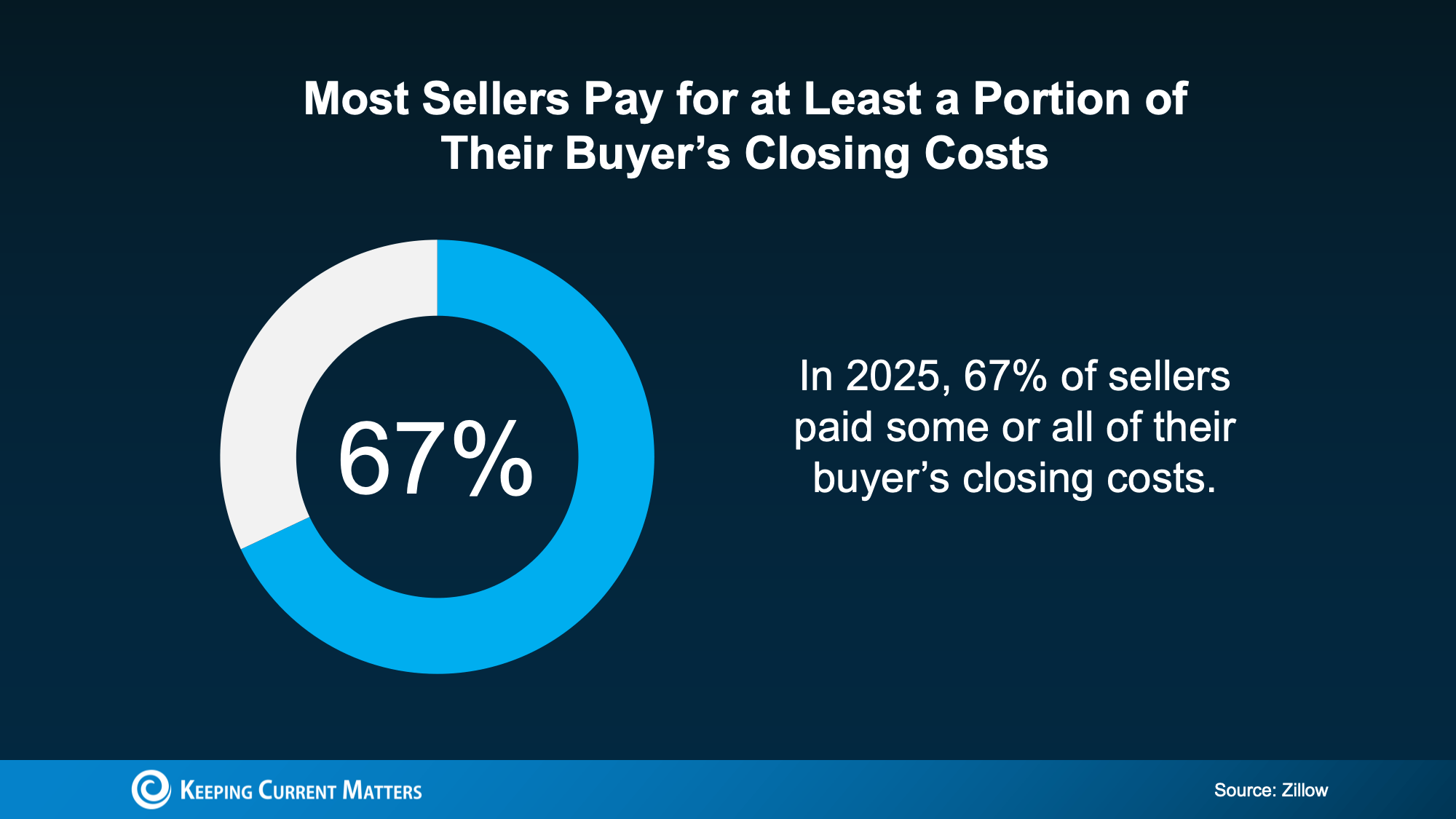
While you don't have to say yes, understanding that two-thirds of the market is offering these concessions shows just how much the power dynamic has shifted.
When Offering Closing Cost Credits Makes Strategic Sense
It’s easy to think, "Why should I pay for their expenses?" But smart sellers look at the bigger picture. Data from Redfin shows that in many regions, active sellers now outnumber active buyers.
While real estate is always hyper-local, you should seriously consider offering closing cost help if:
High Inventory: There are a lot of competing homes for sale in your neighborhood.
Days on Market: Your house has been sitting without activity longer than expected.
The "Looky-Loo" Effect: You’re getting plenty of showings, but zero written offers.
Timeline Pressure: You are highly motivated to relocate or buy your next home quickly.
Deal Saver: You need to keep a serious buyer from walking away during a tough inspection negotiation.
Not Intrigued by Closing Costs? Try These Alternatives Instead
Being flexible doesn't mean rolling over on every demand. If you want to protect your bottom line but still sweeten the pot for buyers, Redfin suggests these alternative concessions:
A Home Warranty: A relatively low-cost way (usually a few hundred dollars) to give buyers peace of mind about older appliances or HVAC systems.
Repair Credits: Instead of fixing items yourself before closing, offer a cash credit so the buyer can handle it post-sale.
Flexible Closing Dates: If the buyer needs to move fast (or needs extra time to break a lease), matching their timeline can be worth more than cash.
Bonus Inclusions: Offer to leave behind high-end appliances, smart home tech, or patio furniture that you don't want to move anyway.
The Bottom Line
The sellers winning big in today's market are the ones who adapt. Sometimes that means chipping in on closing costs; other times it means offering a clever alternative.
The key is knowing exactly what buyers in your specific neighborhood expect.
Ready to figure out the right strategy, where to stand firm, and how to price your home to sell? Let’s connect to look at the latest data for your local market.
