

Don’t Let Mortgage Rate Headlines Fool You: Here’s How to Find Your Real Number
If you’ve seen recent headlines warning that mortgage rates hit their highest levels since early 2025, you might be tempted to put your home search on hold.
Before you pump the brakes, here is something critical to keep in mind: The rate you see in the news is rarely the rate you actually get.
Headlines reflect national averages, not personal financial profiles. Mortgage rates fluctuate constantly, and the rate tailored to your specific situation could look very different from what’s trending on social media.
Why Advertised Rates Aren't the Whole Story
Headline rates are generic, but your financial situation is unique. When a lender calculates your personal rate, they look at the complete picture of your finances and homebuying goals.
Only a qualified loan officer can tell you your true rate. Here are the core factors they evaluate:
Credit Score & History: Lenders look at your payment reliability, account history length, and overall credit utilization. A higher credit score directly translates to a lower rate offer.
Debt-to-Income (DTI) Ratio: Calculated by dividing your monthly debt payments by your gross monthly income, your DTI shows how comfortably you can manage a mortgage payment. Lower DTIs often unlock better rate terms.
Down Payment & Loan-to-Value (LTV): The size of your down payment determines your LTV ratio. Putting more money down reduces the lender’s risk, which can lower your rate.
Loan Type & Term: Rates differ across loan programs (such as Conventional, FHA, VA, or USDA) and loan terms (e.g., 15-year vs. 30-year fixed).
Strategic Ways to Lower Your Rate
Even after you pick a home, several strategies can help bring your rate down before closing:
Mortgage Rate Buydowns: You can pay an upfront fee (points) at closing to secure a lower interest rate and reduce your monthly payment. In today’s market, sellers or builders frequently offer to cover buydown costs as an incentive to close the deal.
Seller Concessions: Guidelines allow sellers to contribute toward your closing costs. Utilizing seller concessions frees up your cash, allowing you to put down a larger down payment or pay down existing debt—both of which improve your rate.
Step One: Get Pre-Approved
Instead of guessing where you stand based on generic online numbers, talk to a mortgage professional. A quick consultation helps you determine your true borrowing power, your target timeline, and your actual interest rate.
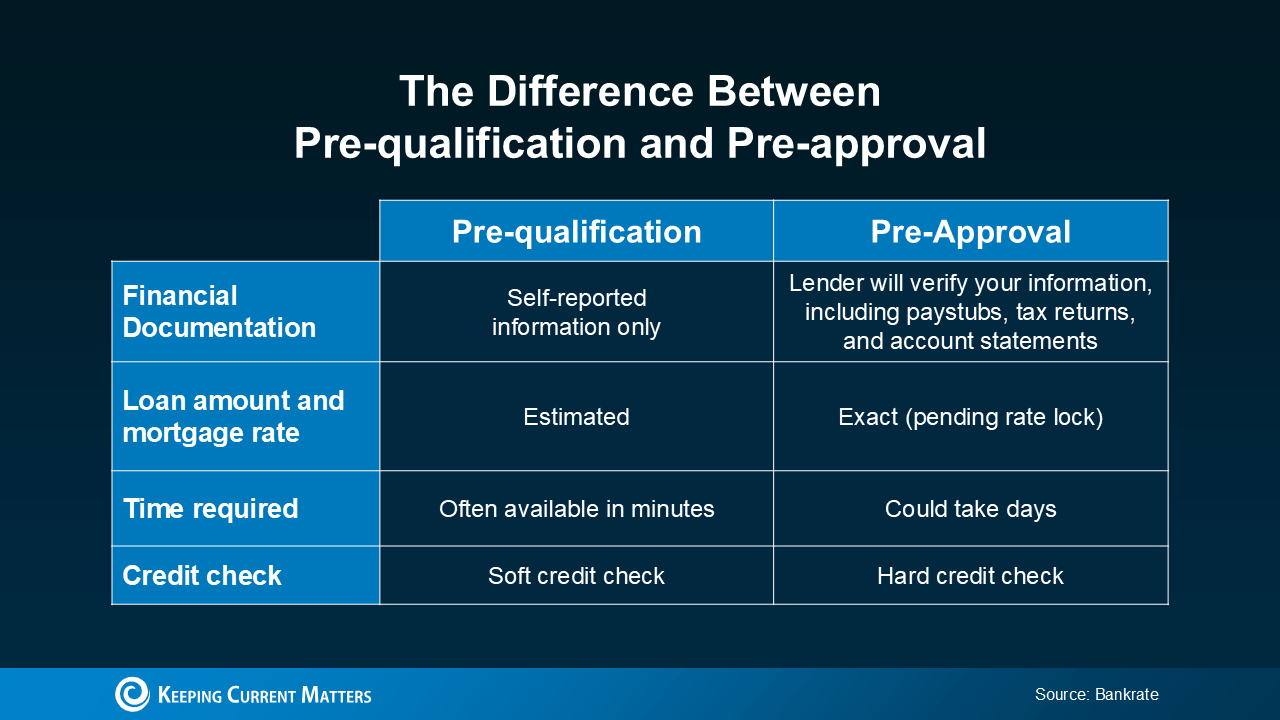
Your lender will likely discuss two stages:
Pre-Qualification: An informal estimate of your borrowing budget based on self-reported financial information.
Pre-Approval: A formal, conditional commitment from a lender based on verified income, assets, and credit documents.
Tip: Always aim for pre-approval—it gives you an accurate financial roadmap and makes your offers far stronger to sellers.
Questions to Ask Your Lender
When you sit down with a loan officer, bring these strategic questions to get the most value out of your conversation:
What are the financial risks or benefits of waiting 3, 6, or 12 months to buy?
What tax advantages might I gain by owning a home versus renting?
How does building home equity now impact my net worth over the next 5 to 10 years?
How will potential market rate shifts in either direction affect my purchasing power?
The Bottom Line
Headlines are designed to grab attention, but they don't tell your personal financial story. Your actual mortgage rate could be more favorable than what you’re reading online.
Partnering with a trusted lender is the fastest way to replace guesswork with real numbers, so you can make a confident, informed decision about your next home. Reach out today to discover your true rate and explore your options!
