

How to Navigate Rising Mortgage Rates and Keep Your Home Purchase on Track
If rising mortgage rates have you second-guessing your home search, you are far from alone. Affordability is the single biggest hurdle for home buyers today, and watching rates climb naturally makes you wonder if it is smarter to pause and wait for a dip.
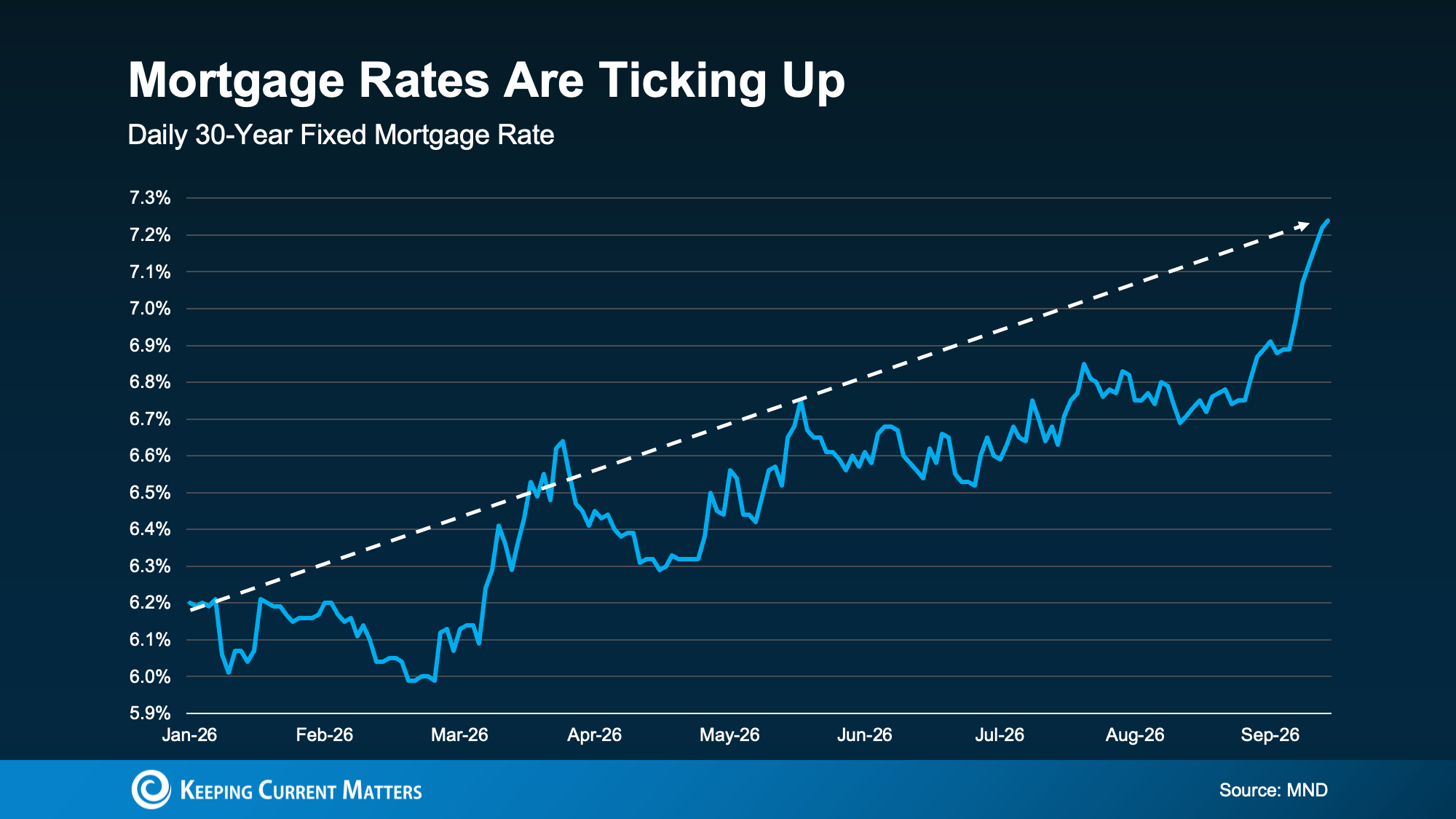
Right now, however, rates continue to face upward pressure. A mix of international events, shifting economic data, inflation reports, fluctuating oil prices, and Federal Reserve policy decisions all contribute to the upward trend. As Realtor.com Chief Economist Danielle Hale notes, the pressure on rates was building even before the Fed's actions, and it shows little sign of easing anytime soon.
While you cannot control macroeconomic forces, you retain significant control over the specific interest rate a lender offers you. If you want to position yourself for the best possible rate, focus on these three high-leverage areas:
1. Elevate Your Credit Score
Your credit score is one of the primary factors lenders use to determine your interest rate. Even a slight increase in your score can move you into a better pricing tier, saving you tens of thousands of dollars over the life of your loan.
Action Item: Review your credit report for errors, pay down existing revolving balances, and avoid taking on new credit lines before applying. Consult a loan officer early to identify quick-win credit improvements.
2. Compare Loan Types and Terms
Not all mortgages are structured the same way, and matching the right loan product to your financial strategy can lower your rate or monthly payment:
Loan Programs: Government-backed loans (FHA, VA, USDA) often carry lower interest rates than conventional loans because government backing reduces the lender's risk.
Fixed vs. Adjustable: Fixed-rate mortgages offer stability but generally carry higher starting rates. Adjustable-rate mortgages (ARMs) frequently start with lower introductory rates, though they carry the risk of rate adjustments later on.
Loan Duration: Choosing a 15-year or 20-year term typically yields a lower interest rate than a standard 30-year term, though your monthly principal payment will be higher.
Action Item: Shop around with multiple lenders to compare Loan Estimates and weigh the trade-offs of each loan structure.
3. Explore New Construction Incentives
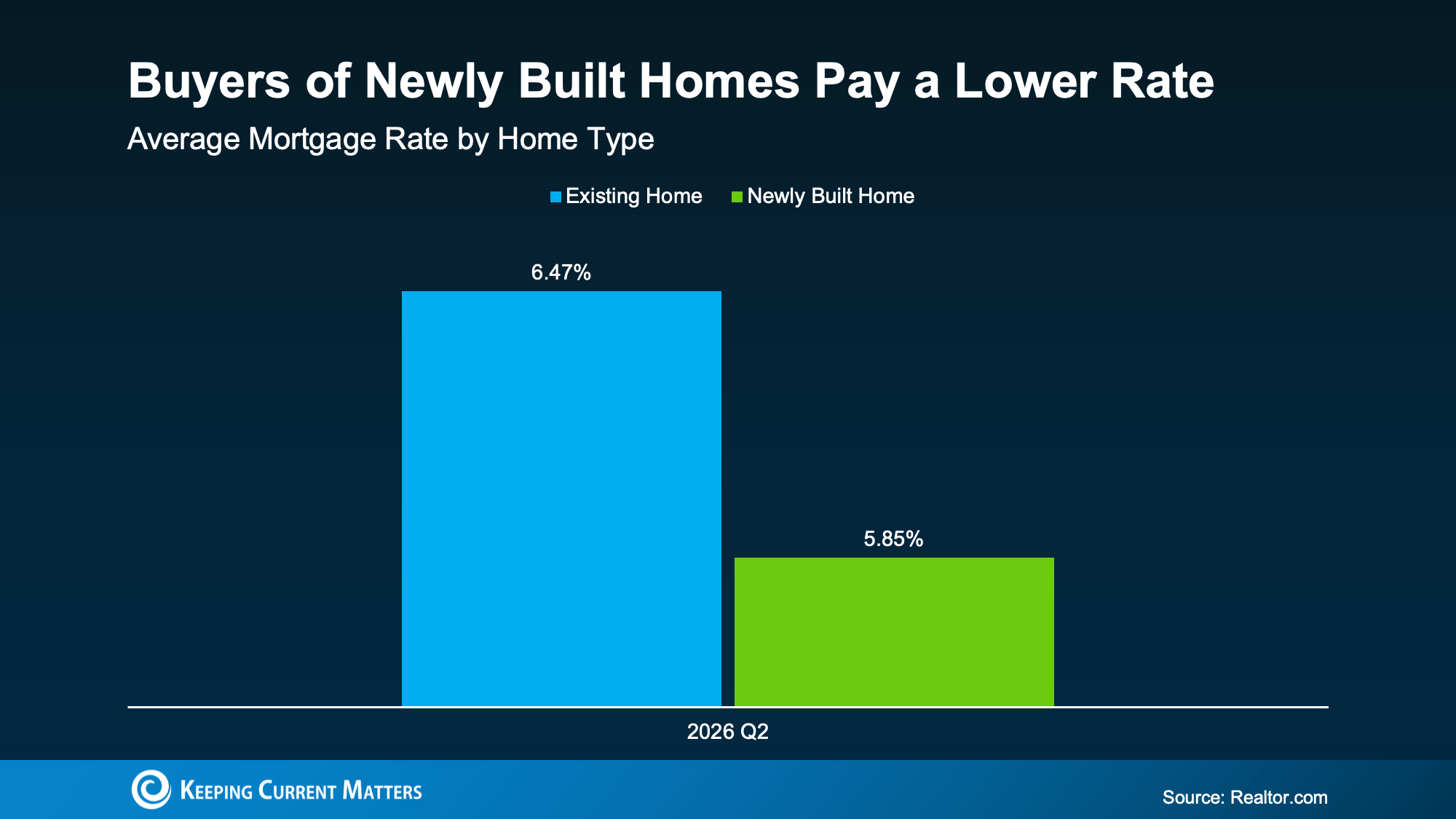
The type of home you buy can also open up lower rate opportunities. To maintain sales momentum, many homebuilders are currently offering temporary or permanent interest rate buydowns as sales incentives. Because of these concessions, buyers of newly built homes have recently secured lower average mortgage rates than buyers purchasing existing homes.
Action Item: Ask your real estate agent to identify local new-construction communities that are currently offering rate buydown programs or builder-sponsored financing incentives.
Bottom Line
You can't dictate macroeconomic mortgage trends, but you do control your credit preparation, your loan structure, and the home options you pursue. Working closely with a knowledgeable lender helps ensure you secure the best interest rate you qualify for, while partnering with a local real estate agent ensures you find a property that aligns with your financial goals.
