
Are Home Prices Dropping or Rising? Here’s What the Headlines Aren’t Telling You
If you own a home or plan to buy one soon, keeping an eye on real estate news is second nature. But reading recent headlines can leave your head spinning:
Headline A: Home prices are plummeting!
Headline B: Home prices hit new highs!
So, which is it? The short answer is: it depends entirely on where you live.
The Truth Behind Falling Asking Prices
Much of today's confusion stems from headlines focusing on asking prices without giving the full picture—or acknowledging normal market rhythms.
Right now, inventory is at its highest level since late 2019. Combined with elevated mortgage rates, homes are taking a bit longer to sell. To attract buyers, sellers are adjusting their starting numbers.
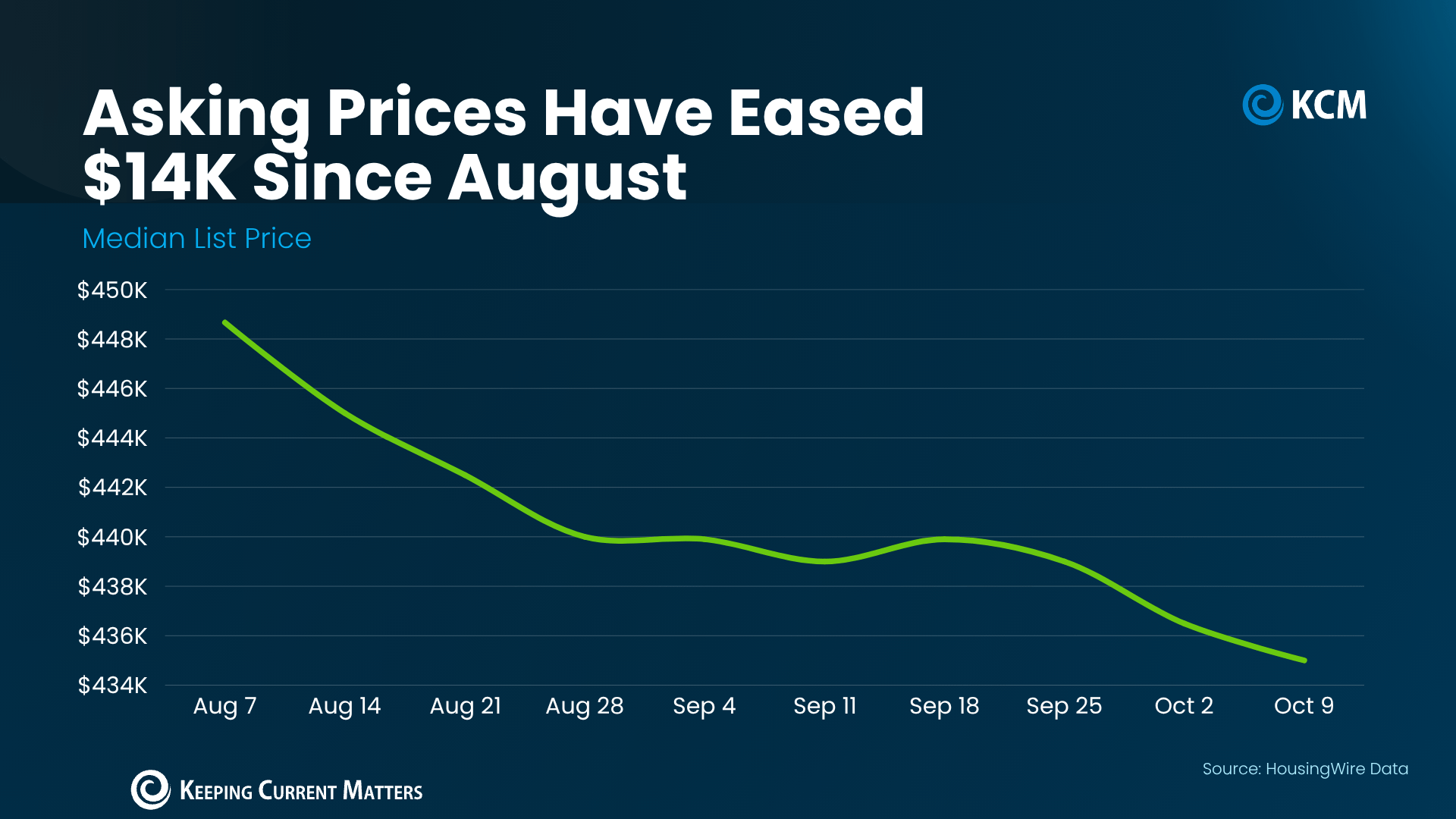
According to HousingWire data, the national median asking price dipped from $449,000 in August to $435,000 two months later—a modest 3% drop.
Is this cause for panic? Not at all.
Asking prices cool off every autumn as the high-demand summer season winds down. Sellers price more competitively to match what current buyers can afford. Smart pricing moves inventory, and autumn dips are completely seasonal.
More importantly, asking prices don't equal final sales prices.
Real Estate Is Always Local
National averages rarely tell the story of your specific neighborhood. As Realtor.com notes, local dynamics—like price ranges, property types, and post-pandemic migration—can cause local markets to behave completely differently from national trends.
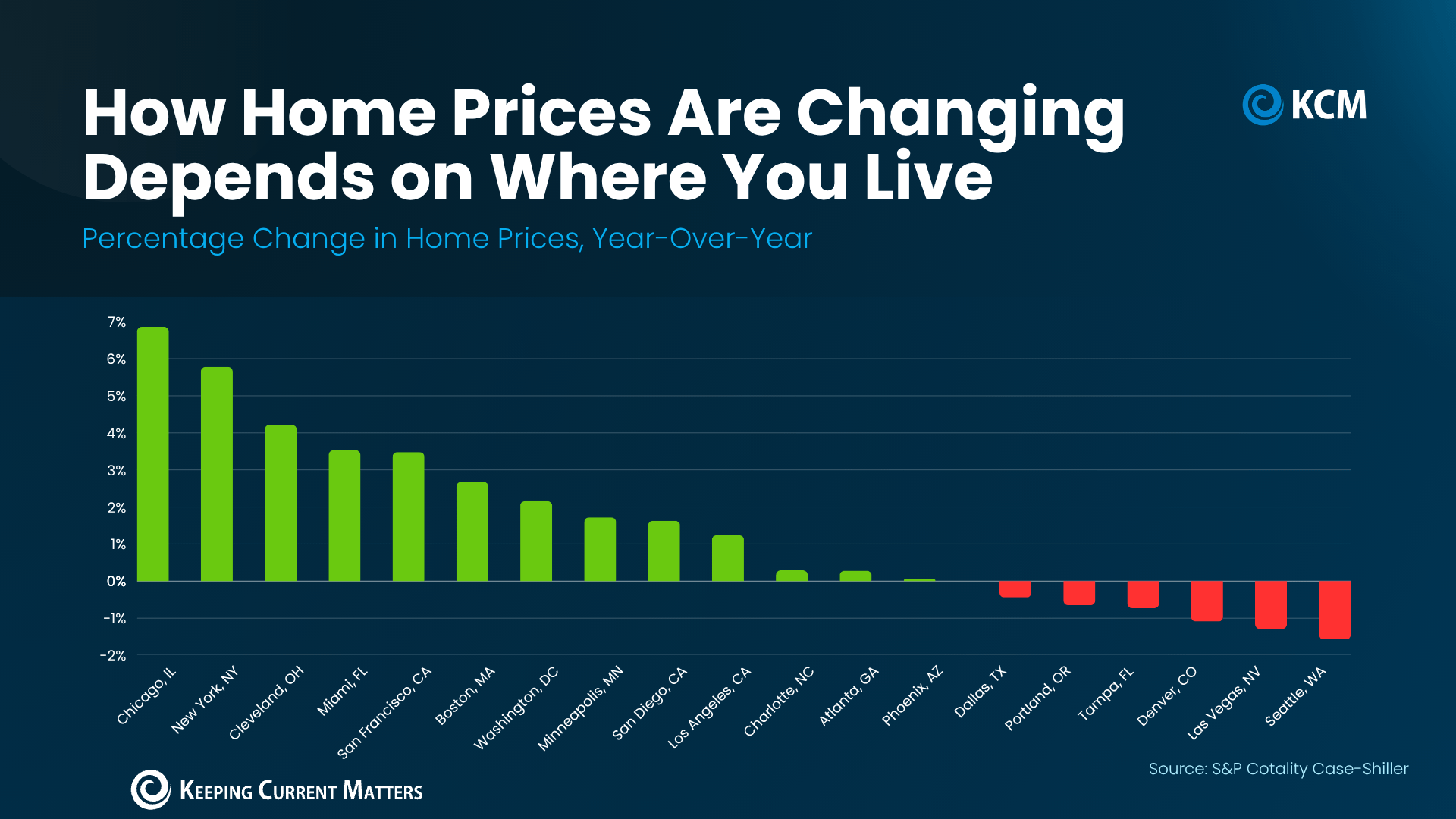
Look at the latest S&P CoreLogic Case-Shiller Index:
Chicago: Home sales prices jumped nearly 7% year-over-year.
Seattle: Sales prices dipped by about 1.6%.
That’s a nearly 9-percentage-point difference between two major U.S. cities! If you're selling in New York (where prices are up almost 6%), your strategy will look completely different than if you're buying in Denver or Las Vegas, where buyers have more leverage to negotiate.
Why a Market Crash Isn't on the Horizon
If you see prices slipping in certain cities, don't mistake it for a repeat of 2008.
The dips are small: Even in markets where prices dropped, the decrease is typically 2% or less.
Growth is widespread: Far more cities are seeing price gains than losses.
Historical strength: According to the FHFA, national home prices have grown year-over-year every single quarter since 2012.
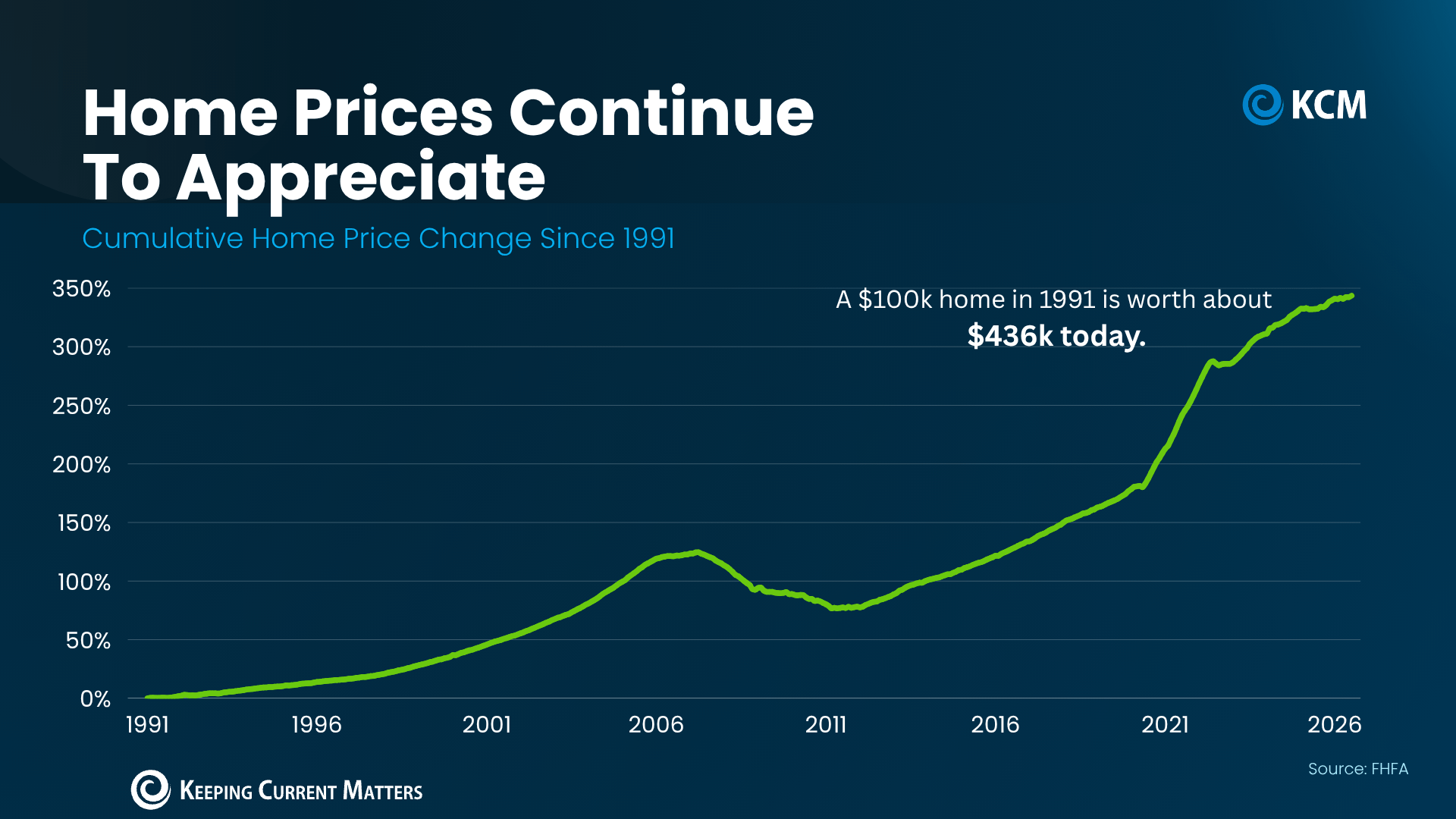
In fact, a $100,000 home purchased in 1991 would be worth approximately $436,000 today—even after factoring in the 2008 housing crash. The slight pullbacks we see today are mostly localized corrections in cities that overheated during the pandemic.
The Bottom Line
National real estate headlines make great clickbait, but they won't tell you what your specific home is worth or how much room you have to negotiate on an offer.
If you're planning a move, skip the national news and talk to a local real estate agent. Getting hyper-local data is the best way to make your next move with confidence.
