

Why Deals Fall Apart—and How to Protect Your Sale
Having a home sale collapse right before closing is every seller’s worst nightmare. You’ve packed the boxes, scheduled the movers, and counted down the days—only for everything to grind to a halt.
The good news? It’s far less common than you might think. Current data from Redfin shows that only about 1 in 7 pending home sales fall through. The vast majority of transactions cross the finish line successfully, largely because today's buyers are driven by major life transitions and are highly motivated to close.
However, deals do occasionally derail. Understanding why—and taking action early—is the secret to keeping your sale on track.
The Top Reasons Pending Sales Fail
When a transaction stumbles under contract, it usually stems from one of four primary issues:
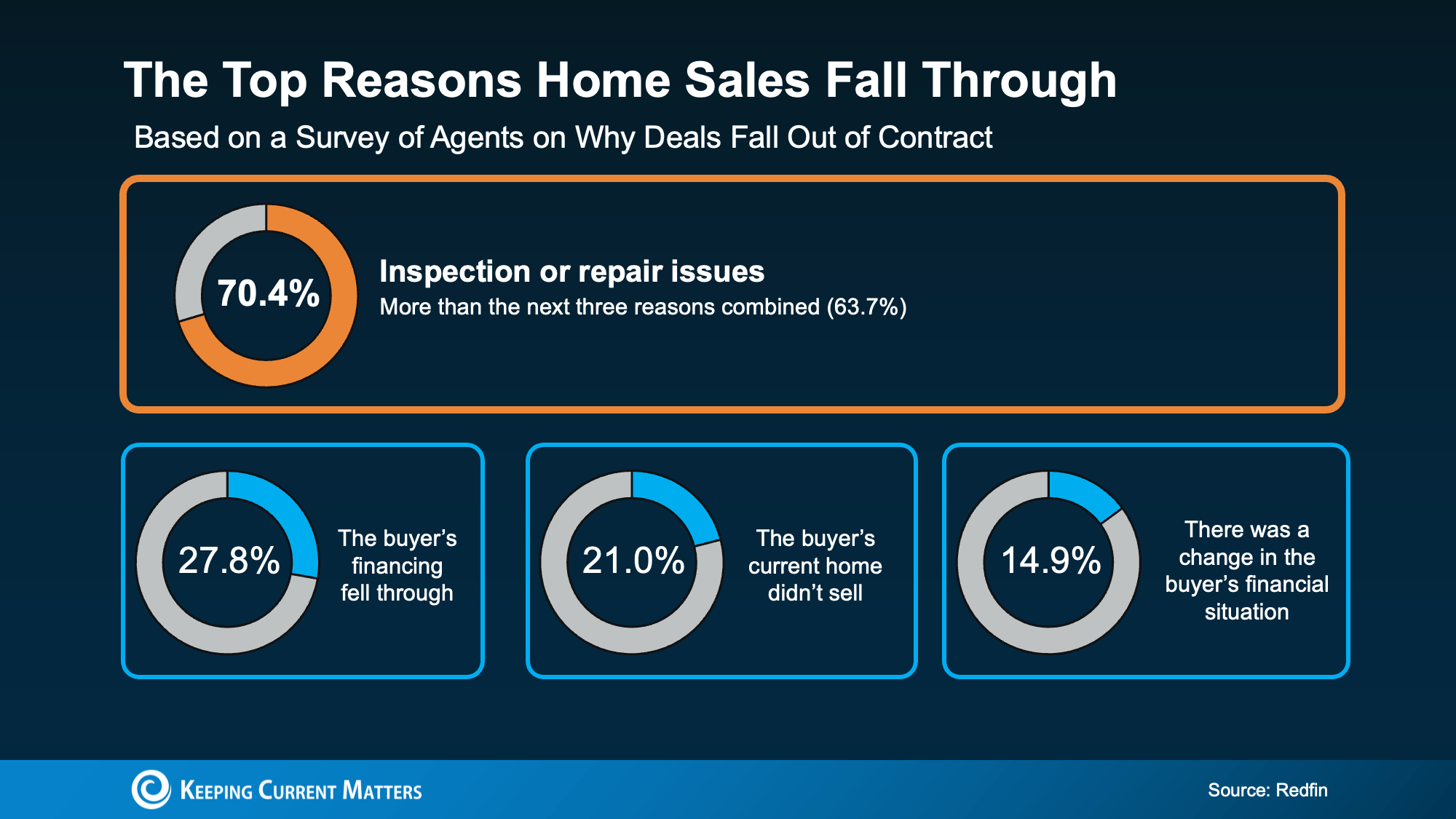
Inspection and Repair Disputes: This is the single biggest threat to a pending deal. If a buyer’s inspector discovers issues with major systems like the roof, plumbing, or foundation, the buyer may demand expensive repairs or credits. If you can't reach an agreement, they can walk away.
Financing Failures: A mortgage pre-approval isn't a final guarantee. If a lender denies final loan approval right before closing, the sale stalls instantly.
Changes in Buyer Finances: Taking on new debt, buying a car, or changing jobs before closing can alter a buyer's credit profile and invalidate their mortgage approval.
Home Sale Contingencies: If a buyer must sell their current home to fund the purchase of yours, a delay on their end creates a domino effect that impacts your deal.
How to Secure Your Sale Before Listing
While you can’t control a buyer’s loan approval or job status, you have immense control over the physical condition of your home and the terms of the contract you accept:
Order a Pre-Listing Inspection: Hiring an inspector before putting your house on the market lets you find major issues early. You can fix them on your own timeline, shop around for reasonable contractor rates, or disclose them upfront so buyers can't use them as leverage later.
Evaluate the Whole Offer, Not Just the Price: The highest purchase price isn't always the strongest offer. A slightly lower bid with fewer contingencies, a flexible timeline, and solid financial backing is often much safer than a high bid loaded with risky conditions.
The Bottom Line
Most pending home sales reach the closing table successfully, and the single largest threat—unexpected inspection issues—is the one thing you have the power to fix beforehand. Getting a pre-listing inspection and working with an expert agent to vet incoming offers keeps you a step ahead and protects your sale from start to finish.
