

The Four Americas of Real Estate: Which Market Are You Buying or Selling In?
The idea of a single, unified housing market is officially dead. Real estate mogul Ryan Serhant nailed today’s reality:
“There is no longer a housing market . . . There are four Americas.”
Right now, real estate is split into four distinct micro-markets, each with its own set of rules. Here is a breakdown of all four—and what each means for your next move.
1. Cash Buyers: The High-Equity Players
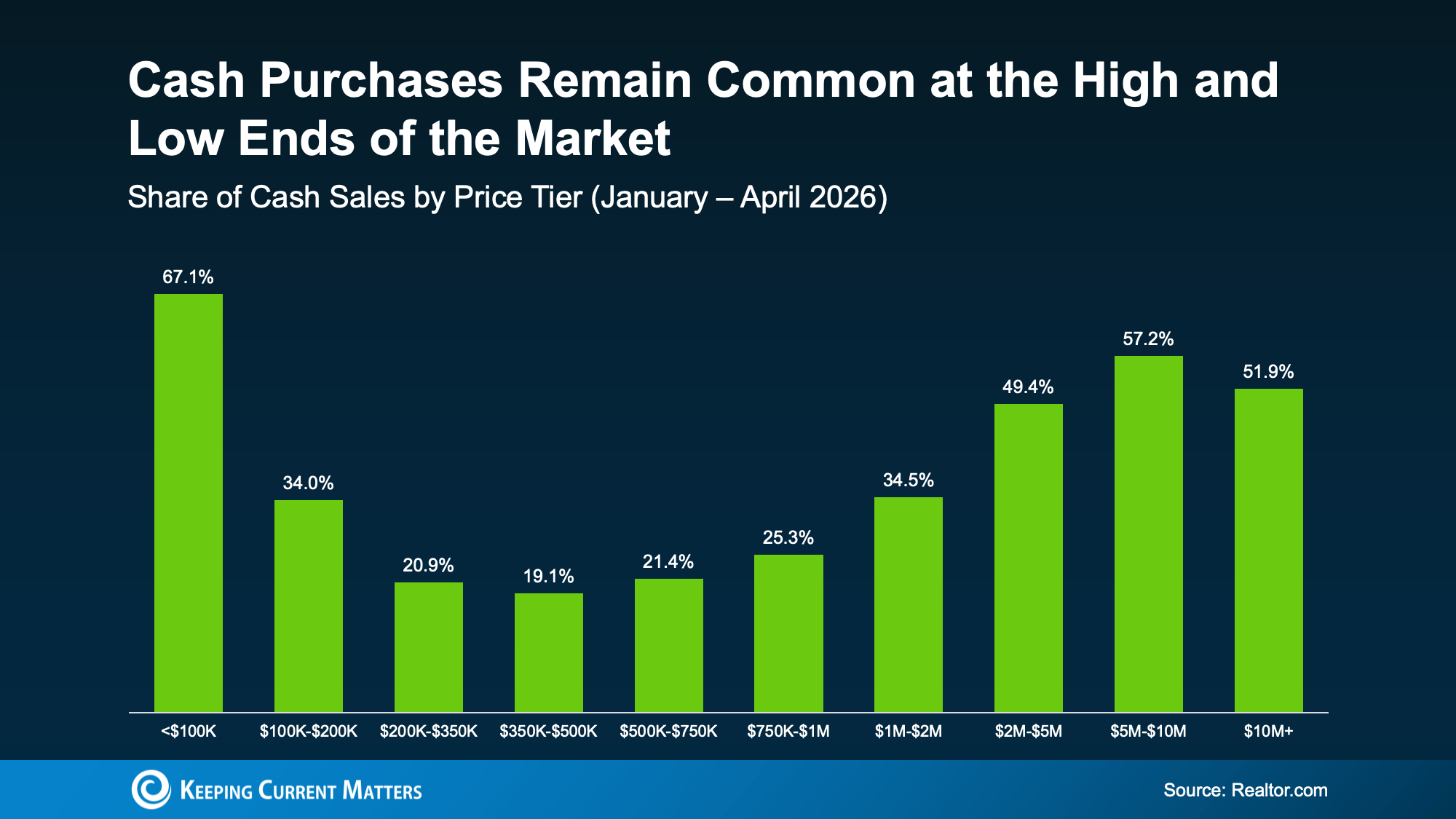
Around 1 in 4 home sales (26%) are all-cash, according to the National Association of Realtors. These buyers are concentrated primarily at two extremes: entry-level budget homes and top-tier luxury estates.
If You’re Buying: An all-cash offer eliminates financing contingencies, making you a seller's dream. Leverage that strength to negotiate lower prices or faster closing timelines.
If You’re Selling: Cash deals bring speed and certainty, but they often come with a discount. Weigh the convenience of a cash offer against higher bids from financed buyers.
2. Financed Buyers: Trading Market Rates for Seller Credits
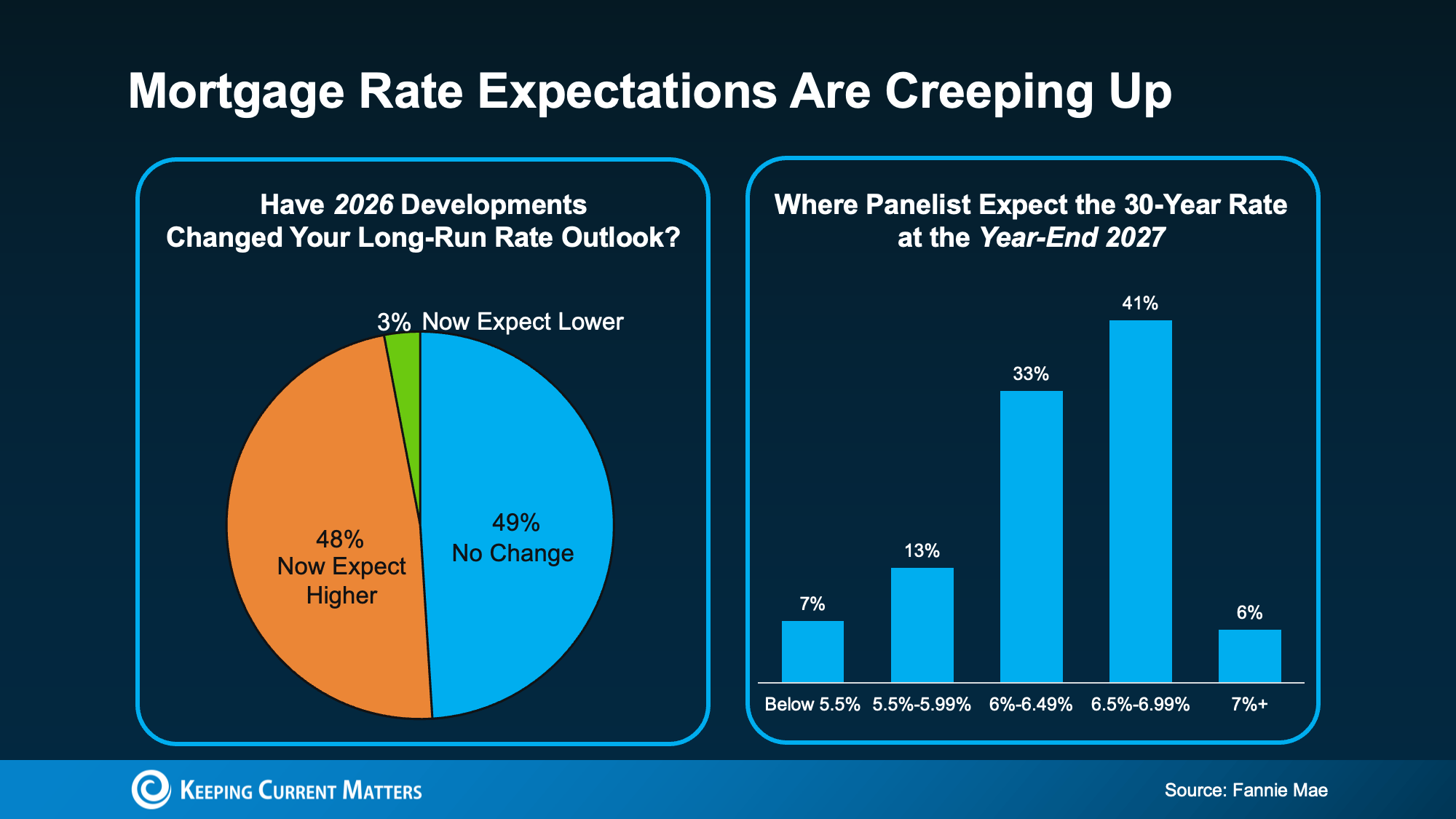
Mortgage rates aren't dropping significantly anytime soon, with nearly half of Fannie Mae's expert panel raising their long-term forecasts. But financed buyers are finding alternative relief: nearly 50% of recent sales include seller concessions, like rate buydowns or closing cost credits.
If You’re Buying: Stop waiting for rates to drop. Focus on negotiating seller credits to buy down your interest rate and lower your monthly payment today.
If You’re Selling: Expect to negotiate. Offering rate-buydown credits upfront is often far more enticing to buyers than simply lowering your listing price.
3. Rate-Locked Sellers: Sitting on Sub-5% Mortgages
About two-thirds of current homeowners hold mortgage rates below 5% (FHFA data). This "lock-in effect" keeps overall inventory tight because many owners refuse to trade a low rate for a higher one.

If You’re Buying: Inventory from existing owners is lean, but those who do list are usually highly motivated by major life changes. Expect realistic, flexible sellers.
If You’re Selling: Calculate your equity before ruling out a move—it might cover a bigger down payment than you think. If you hold an FHA or VA loan, explore making it assumable to give buyers access to your low rate.
4. Homebuilders: Sitting on Extra Inventory
With unsold new home inventory sitting at nearly 10 months of supply (well above the balanced 4–6 month average), builders are under pressure to sell. That makes new construction one of the most negotiable corners of the market.
If You’re Buying: Builders are aggressively offering price cuts and rate buydowns. Work with your own agent and evaluate the total package—upgrades, credits, and price—before signing.
If You’re Selling Existing Property: Highlight what new builds lack: established neighborhoods, mature trees, lower fees, and immediate move-in availability.
The Bottomline
Because four different markets are operating simultaneously, a smart strategy in one section could cost you money in another. Identifying which "America" you belong to is the key to winning your next transaction.
